
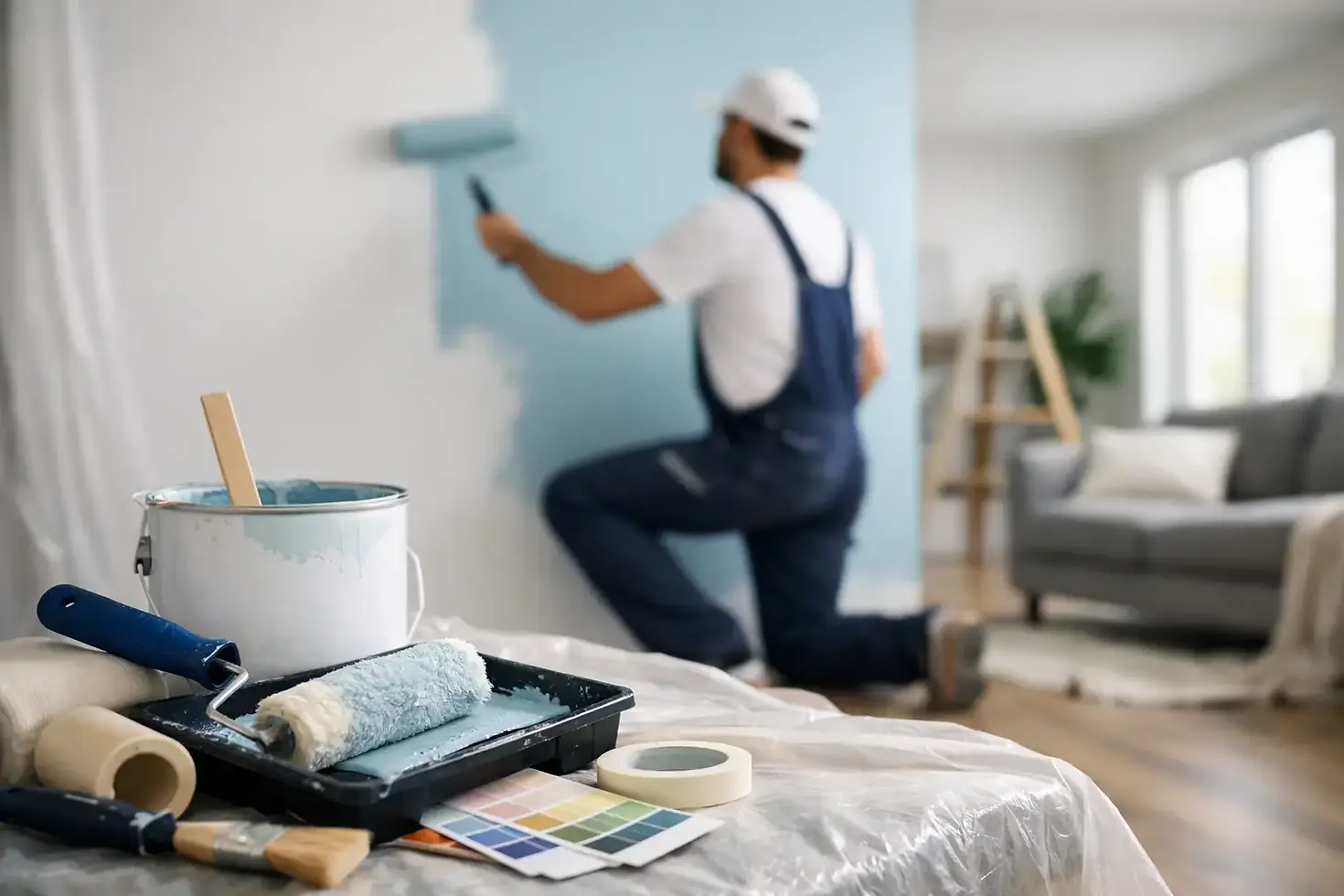
What Is Interior Painting and Why It Matters

A freshly painted room can look simple at first glance - just new colour on the walls. In practice, that finish only looks effortless when the work behind it is done properly. So, what is interior painting? It is the professional preparation, repair and finishing of internal surfaces to improve how a space looks, feels and performs over time.
That definition matters because interior painting is often underestimated. Many people think only about choosing a shade, but the real quality of the result comes from surface preparation, product choice, application method and attention to detail. In a family home, rental property, office or new-build, the standard of the finish affects far more than appearance.
What is interior painting in practical terms?
Interior painting is the treatment of indoor surfaces such as walls, ceilings, woodwork, doors, frames and sometimes specialist features including panelling, staircases and decorative walls. The aim is not only to refresh a room, but to create a clean, durable and consistent finish that suits the property and the way it is used.
In practical terms, the job usually begins long before a tin of paint is opened. Surfaces are inspected for cracks, dents, peeling areas, stains, uneven patches and previous poor workmanship. Any defects are repaired, filled and sanded so the final coat sits smoothly and looks refined rather than rushed.
Once preparation is complete, suitable primers, undercoats and topcoats are selected for each surface. A ceiling does not need the same product as skirting boards, and a busy hallway will usually need a more durable finish than a quiet spare bedroom. Good interior painting is about matching the system to the space.
Interior painting is more than changing colour
Colour has the strongest visual impact, but it is only one part of the process. Interior painting also shapes light, mood, cleanliness and wear resistance. The same shade can look elegant and soft in one room, or flat and unforgiving in another, depending on surface condition and sheen level.
This is where professional judgement makes a difference. Matt finishes can be excellent for hiding minor imperfections on walls and ceilings, but they are not always the best choice for every setting. Kitchens, bathrooms, rental properties and commercial spaces often benefit from more washable, hard-wearing coatings. The right finish needs to suit both the look you want and the demands of the room.
There is also a design element to interior painting that is often overlooked. Crisp lines, balanced contrast between walls and woodwork, and carefully chosen tones can lift a property significantly. For clients seeking something more individual, specialist decorative finishes can create depth, texture and character that standard emulsions simply cannot achieve.
The surfaces included in interior painting
When people ask what is interior painting, they often picture only walls. In reality, a complete interior painting project may involve ceilings, coving, skirting boards, architraves, doors, window frames, radiators, built-in storage and stair components.
Each of these surfaces behaves differently. Woodwork tends to highlight brush marks, dents and uneven edges more than plastered walls do. Ceilings often reveal flashing, patchiness or roller marks when natural light hits them. High-traffic doors and frames need coatings that stand up to repeated use without losing their appearance too quickly.
That is why a proper specification matters. A premium result depends on treating each area as part of a complete scheme rather than painting everything in the same way.
Why preparation matters so much
Preparation is where quality is won or lost. If surfaces are dusty, unstable, greasy, stained or uneven, the finest paint in the world will not rescue the finish. It may cover temporarily, but problems soon show through.
Professional preparation can include filling cracks, raking out failed areas, sanding rough patches, caulking gaps, stain blocking, priming bare surfaces and protecting floors and furnishings carefully. In older homes, this stage is particularly important because walls and woodwork often carry years of minor damage and layered coatings.
There is a trade-off here. Thorough preparation takes more time and can increase the cost of a quotation, but it also delivers a far better and longer-lasting result. Quick cosmetic painting may seem economical in the short term, yet it often leads to visible defects, premature wear and earlier repainting.
What makes a professional interior paint finish different?
A professional finish is usually recognised by what you do not notice. There are no obvious roller lines, no paint on hinges or sockets, no rough filled patches showing through, and no inconsistent sheen across the wall. Edges are sharp, coverage is even and the room feels complete.
That level of finish comes from disciplined working methods. Protection is set out properly. Surface repairs are blended rather than patched over. Products are applied at the right spread rate and allowed appropriate drying time. Small details are checked because they affect the whole impression of the room.
For quality-conscious homeowners and commercial clients, this difference is significant. A well-executed interior painting project does not just make a room look newer. It makes the entire property feel better maintained, more polished and more valuable.
Where interior painting adds the most value
Some rooms deliver an immediate return in terms of appearance and day-to-day enjoyment. Living rooms, kitchens, hallways and principal bedrooms tend to have the strongest visual impact in residential properties. In commercial settings, reception areas, meeting rooms and customer-facing spaces often matter most.
That said, the best value does not always come from the boldest transformation. Sometimes it comes from correcting tired woodwork, brightening a dark landing or bringing consistency back to a refurbishment project. In rental or resale situations, neutral, well-finished interiors can help a property present more cleanly and attractively.
For premium homes, interior painting can also support a more design-led result. Layered neutrals, contrasting trims or specialist finishes such as lime wash or French wash can add sophistication without major building work. The room keeps its function, but gains far more presence.
When simple repainting is enough - and when it is not
Not every project needs extensive remedial work. If surfaces are sound, previously painted well and only showing light wear, a straightforward repaint may be all that is required. In these cases, the focus is on freshening the space and improving presentation efficiently.
However, if there are water stains, cracking, flaking coatings, poor previous repairs or heavy scuffs throughout, a more involved approach is usually the better choice. The same applies in high-specification interiors where lighting is unforgiving and surface flaws become obvious quickly.
It depends on the property, the room and your expectations. If the aim is simply to tidy up before occupancy, the scope may be narrower. If the aim is a refined, durable finish that elevates the interior, preparation and specification need to be more exacting.
Choosing the right approach for your property
The best interior painting projects start with a clear view of the desired outcome. Are you refreshing a home that you plan to stay in for years? Preparing a property for sale? Completing a new-build to a high standard? Upgrading a commercial interior that needs to look smart and perform well under daily use?
Those questions shape everything from colour selection to paint system and finish level. A busy family home needs practicality as well as style. A statement room may justify a more distinctive decorative treatment. A landlord may prioritise durability and clean presentation. A developer may need consistency and programme reliability across multiple spaces.
This is where experience matters. A skilled decorator looks beyond the paint colour and considers the surface beneath it, the way the room is used and the standard the client expects. That is how dependable workmanship becomes an exceptional finish.
At Vision Painting & Decorating, that approach is central to the work - meticulous preparation, premium materials and a finish that feels considered from every angle.
So, what is interior painting really?
It is the craft of improving interior spaces through preparation, protection and precise finishing. It refreshes tired rooms, protects surfaces, sharpens presentation and can quietly transform how a property is experienced every day.
Done carelessly, it is easy to dismiss as a quick cosmetic job. Done properly, it is one of the most effective ways to bring comfort, quality and lasting visual impact into a home or commercial space. If you want the result to look right not just on day one, but months and years later, interior painting deserves to be treated with the same care as any other high-value finish.
A good room starts with good surfaces, and good surfaces are never an accident.


Comments